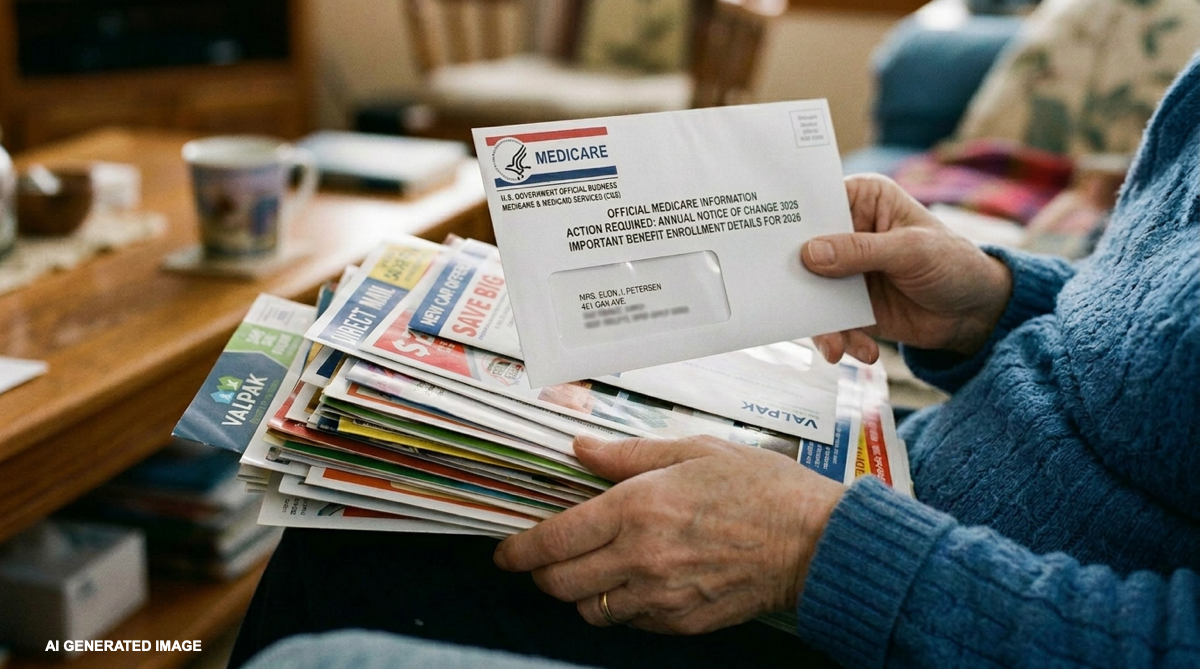
For 2026, the biggest changes are focused squarely on prescription drugs — including a new out-of-pocket cap, updated insulin rules, expanded $0 vaccines, and Medicare’s first negotiated drug prices.
If you reviewed your plan during Open Enrollment, you may remember some of these changes. But now that we’re into 2026, here’s a clear breakdown of what matters most for your prescription costs this year.
1) The Part D Out-of-Pocket Cap Is $2,100
One of the most important protections for people with Medicare is the annual cap on out-of-pocket prescription drug costs. In 2026, that cap is $2,100.
What this means:
- Once your out-of-pocket spending on covered Part D drugs reaches $2,100, you pay $0 for covered prescriptions for the rest of the calendar year.
- This applies to both standalone Part D plans (PDPs) and Medicare Advantage plans with drug coverage (MA-PDs).
- The cap includes your deductible, copays, and coinsurance for covered medications.
This change prevents drug costs from spiraling out of control. It’s especially helpful for people who rely on high-cost or specialty medications.
Important note: Costs can still feel front-loaded early in the year, especially if your plan includes a deductible. For example, many Part D plans and Medicare Advantage plans have a drug deductible of $615 for 2026, meaning you’ll pay the first $615 in drug costs before Medicare starts covering your prescriptions.
2) The Part D Maximum Deductible Is $615
For 2026, the maximum allowable Part D deductible is $615. However, not (not) every plan charges the full deductible. Some plans set a lower deductible, or choose to waive it for certain drug tiers or medications.
What this means:
Drug prices aren’t one-size-fits-all. It’s important to examine your PDP or MA-PD closely and make sure you understand the deductible and other cost factors. When evaluating your real-world drug costs, look beyond the premium. Consider:
- Whether your prescriptions are on the plan’s formulary
- Which pharmacies are considered “preferred”
- Your copay or coinsurance for each drug tier
- Whether prior authorization, step therapy, or quantity limits apply
These factors often impact your total spending more than the monthly premium alone.
3) Insulin Cost-Sharing May Be Less Than $35
Medicare’s insulin protections have been expanded, and a cost-sharing rule has been put in place.
What this means:
For a
one-month supply of covered insulin under Part D, your cost will be the
lowest of:
- $35
- 25% of your plan’s negotiated price
- 25% of the negotiated Maximum Fair Price
Additionally, the Part D deductible
is waived for covered insulin, which helps prevent high early-year costs.
4) Medicare Negotiated Drug Prices Take Effect in 2026
One of the most historic changes this year is the implementation of Medicare’s first negotiated drug prices under the Medicare Drug Price Negotiation Program.
Beginning January 1, 2026, Medicare established
Maximum Fair Prices (MFPs) for 10 high-cost, widely used medications covered under Part D. These negotiated prices apply to a standard 30-day supply and are significantly lower than prior list prices.
The 10 Drugs with Negotiated Prices for 2026:
- Eliquis (blood thinner)
- Jardiance (diabetes/heart failure)
- Xarelto (blood thinner)
- Januvia (diabetes)
- Farxiga (diabetes/heart failure)
- Entresto (heart failure)
- Enbrel (autoimmune conditions)
- Stelara (autoimmune conditions)
- Imbruvica (blood cancers)
- Certain insulin products, including NovoLog and Fiasp
The published negotiated prices vary by medication and dosage form. And keep in mind your actual out-of-pocket cost will depend on:
- Your plan’s cost-sharing structure
- Your deductible status
- Whether the drug is on a preferred tier
- Pharmacy network pricing
However, these negotiated prices reduce the base cost that plans use when calculating your share. Talk with our agents to understand how these changes might affect your coverage and prescriptions in 2026.
5) The Medicare Prescription Payment Plan Helps Spread Costs
If you tend to hit high drug costs early in the year, the Medicare Prescription Payment Plan may help. This voluntary option allows you to spread your out-of-pocket Part D costs across the calendar year instead of paying the pharmacy in full at the time of purchase.
How it works:
- You continue paying your monthly plan premium (if applicable).
- Your plan bills you monthly for prescription costs.
- You remain protected by the $2,100 annual cap.
Note: This program does not reduce the total you pay. It simply changes when you pay it. There is no fee for participating.
If you were enrolled previously, participation typically renews automatically unless you opt out.
6) $0 Cost-Sharing for Recommended Adult Vaccines Continues
Vaccines are another area where Medicare protections are being continued.
Part B covers certain vaccines administered in medical settings, including:
- Flu
- Pneumococcal (pneumonia)
- Hepatitis B (for certain risk groups)
- COVID-19
Medicare Part D generally covers vaccines not covered by Part B, such as shingles, RSV, Tdap, and others. For 2026, Part D plans must provide
$0 cost-sharing for adult vaccines recommended by the Advisory Committee on Immunization Practices (ACIP) and covered under Part D. That means no deductible, no copay, and no coinsurance.
Because recommendations can change over time, the best practice is to confirm coverage with your plan (or your pharmacist) when you schedule a vaccine, especially if it’s new, recently updated, or less commonly used.
The Bottom Line: 2026 Is a Major Year for Drug Cost Protections
Medicare’s 2026 updates are largely focused on making prescription drugs more predictable and affordable. If you take prescription medications — especially any of the 10 negotiated drugs — it’s worth reviewing your plan to understand how these changes affect you. Drug coverage is not just about premiums. It’s about structure, formularies, pharmacy networks, and cost-sharing design.
If you’d like help reviewing your prescriptions and understanding what you’ll pay in 2026, we’re here to help.