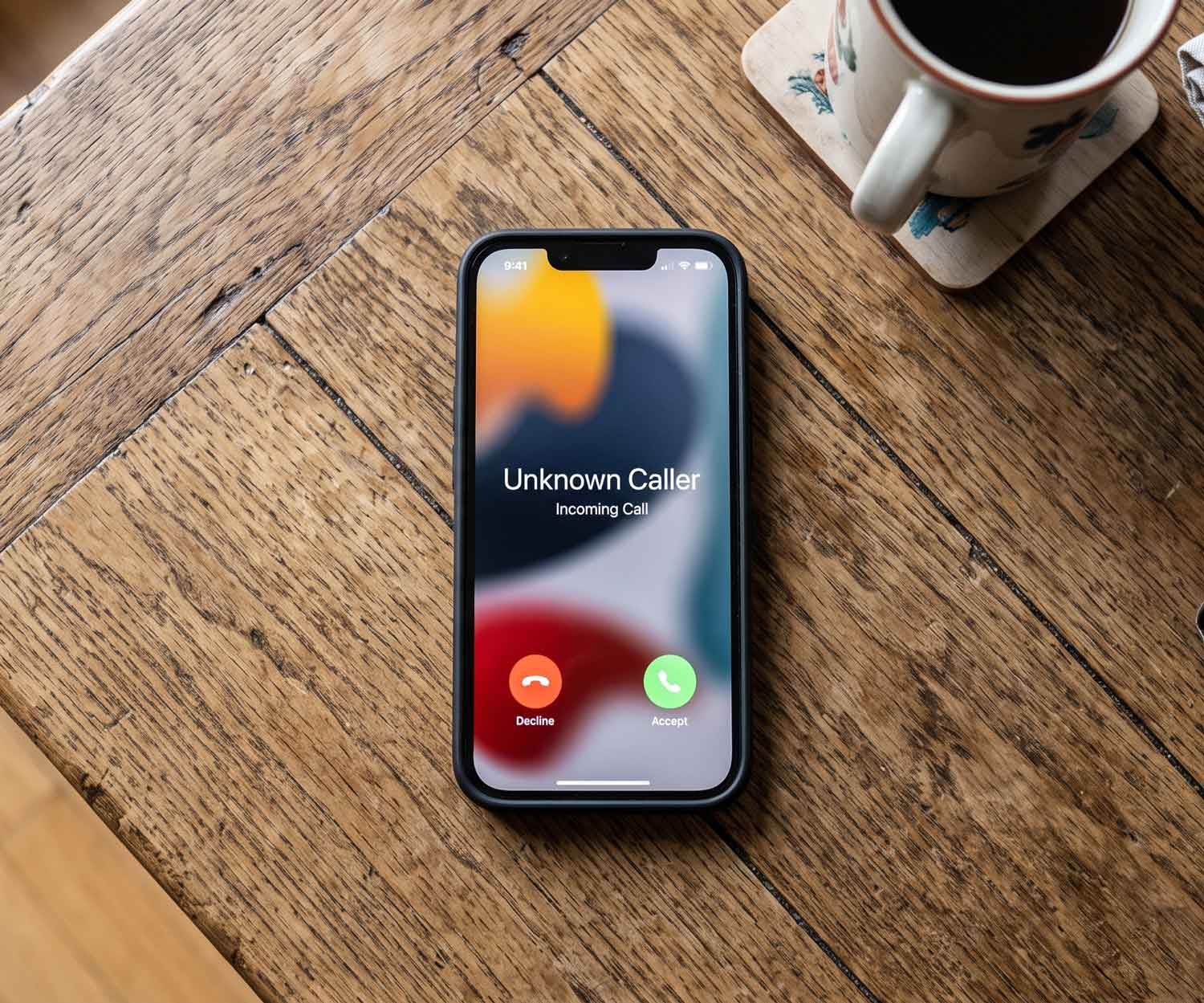
Imagine getting a call in the middle of the night from someone claiming to be your grandchild, panicked and in trouble. They say they’ve been in an accident or arrested—and they desperately need money. Your heart races. You’d do anything to help. That’s exactly what scammers are counting on.
The
Federal Communications Commission (FCC) has recently issued a warning about a rise in what's known as the
“grandparent scam”—a sneaky and heartless scheme targeting older adults with urgent, emotional phone calls meant to trick them into sending money.
What Is the Grandparent Scam?
These scams usually start with a phone call from someone pretending to be your grandchild (or another close relative). They’ll say they’re in trouble—maybe stuck in jail or in a hospital—and they need money fast for bail, legal fees, or emergency expenses.
To make things even more convincing, they may hand the phone off to someone pretending to be a lawyer or a police officer. And they’ll likely ask you not to tell anyone—saying it’s a “private” or “sensitive” situation.
That sense of urgency is key to the scam. It’s meant to bypass your instinct to double-check and make you act fast—before you have time to think it through or talk to someone else.
Why It Works—and Why It’s Dangerous
These calls often come late at night or early in the morning, when you’re more likely to be caught off guard. The scammer might not even say who they are—just “Grandma, it’s me”—and hope you fill in the blank for them. From there, they use that information to sound more convincing.
Some victims have been asked to send money via wire transfer, cryptocurrency, gift cards, or even in cash via courier—all methods that are difficult or impossible to trace or reverse. According to the FCC, scammers using this method have stolen
tens of millions of dollars from seniors across the U.S.
Watch for These Warning Signs
If you or someone you love receives a call like this, here are some red flags that it could be a scam:
- High pressure and urgency – You’re told to act immediately
- Vague or strange details – They may not identify themselves clearly, or hope you’ll say the grandchild’s name for them
- Unverifiable location or story – They say they’re in jail overseas or in a place where you can’t easily check on them
- Unusual payment requests – Gift cards, Bitcoin, wire transfers, or cash deliveries
- Calls at odd hours – Scammers try to catch you when you’re less alert
What To Do If You Get a Suspicious Call
If something doesn’t feel right, trust your gut. Here’s what you can do to stay safe:
- Hang up and verify – Call your grandchild or their parent using a phone number you know is theirs
- Talk to someone you trust – A second opinion from a friend or family member can make all the difference
- Don’t rely on caller ID – Scammers often “spoof” numbers to make it look like someone you know is calling
- Block the number – Use your phone’s settings to block suspicious calls
- Report the scam – Contact the
National Elder Fraud Hotline at 833-FRAUD-11 and file a complaint with the
FCC
What If You’ve Already Sent Money?
First of all, don’t panic—and know that you’re not alone. Scammers are incredibly convincing, and even smart, cautious people have been tricked.
Here’s what to do:
- Call your bank or payment service right away – They may be able to stop or reverse the transaction if it's recent
- Report it – Contact the FCC, your local police, and the FBI’s Internet Crime Complaint Center at
ic3.gov
- Let your family know – They can help protect you and others from future attempts
Help Protect Others, Too
The more people know about this scam, the harder it becomes for criminals to succeed. Please share this information with friends, neighbors, and especially your older loved ones. A quick conversation now could prevent a heartache later.
And remember—if you ever get a call like this and aren’t sure what to do, don’t rush. Take a breath, hang up, and check in with someone you trust. Real family emergencies don’t come with secret demands or payments via gift cards.